Italy is one of the most visited countries in the world, and for good reason. From ancient ruins and Renaissance art to dramatic coastlines and world-famous cuisine, the journey often begins at an airport. Italy has a well-developed aviation network with dozens of airports connecting the country to Europe and the rest of the world. Whether you’re landing in a major international hub or a smaller regional airport, understanding Italy’s airports can make your trip smoother and more enjoyable.
Italy’s Aviation Network at a Glance
Italy has over 40 airports, but not all of them handle international traffic. The country’s busiest airports are located near major cities such as Rome, Milan, Venice, and Naples. These airports serve millions of passengers each year and act as gateways for tourists, business travelers, and locals alike. High-speed trains, buses, taxis, and car rentals are easily available from most airports, making onward travel convenient.
Major International Airports in Italy
Rome Fiumicino Airport (Leonardo da Vinci International Airport – FCO)
Rome Fiumicino is Italy’s largest and busiest airport. Located about 30 kilometers southwest of Rome’s city center, it handles long-haul flights from North America, Asia, the Middle East, and Africa, along with countless European routes.
The airport is modern, spacious, and well organized. Inside, you’ll find duty-free shops, Italian fashion brands, restaurants serving authentic pasta and espresso, and comfortable lounges. The Leonardo Express train connects the airport directly to Rome’s Termini Station in about 30 minutes, making it extremely traveler-friendly.
Milan Malpensa Airport (MXP)
Milan Malpensa is Italy’s main international airport for northern Italy. It is especially popular for intercontinental flights and budget airlines. Located around 50 kilometers from central Milan, Malpensa is a major hub for fashion, business, and global travel.
The airport has two terminals, with Terminal 1 handling most international and full-service airlines. Malpensa Express trains connect the airport to Milan Central and Milano Cadorna stations. If you’re heading to Lake Como, Turin, or Switzerland, Malpensa is often the most convenient entry point.
Milan Linate Airport (LIN)
Milan Linate is closer to the city center and mainly serves domestic and short European flights. It’s smaller and quicker to navigate than Malpensa, making it ideal for business travelers or short trips. While it doesn’t offer long-haul routes, its proximity to downtown Milan is a big advantage.
Venice Marco Polo Airport (VCE)
Venice Marco Polo Airport is the main gateway to Venice and northeastern Italy. Located just a few kilometers from the lagoon city, it offers one of the most scenic arrivals in Europe.
From the airport, travelers can reach Venice by water taxi, vaporetto (water bus), bus, or taxi. The airport serves many European destinations and several long-haul routes, especially during peak tourist seasons. Its name honors Marco Polo, the famous Venetian explorer.
Naples International Airport (NAP)
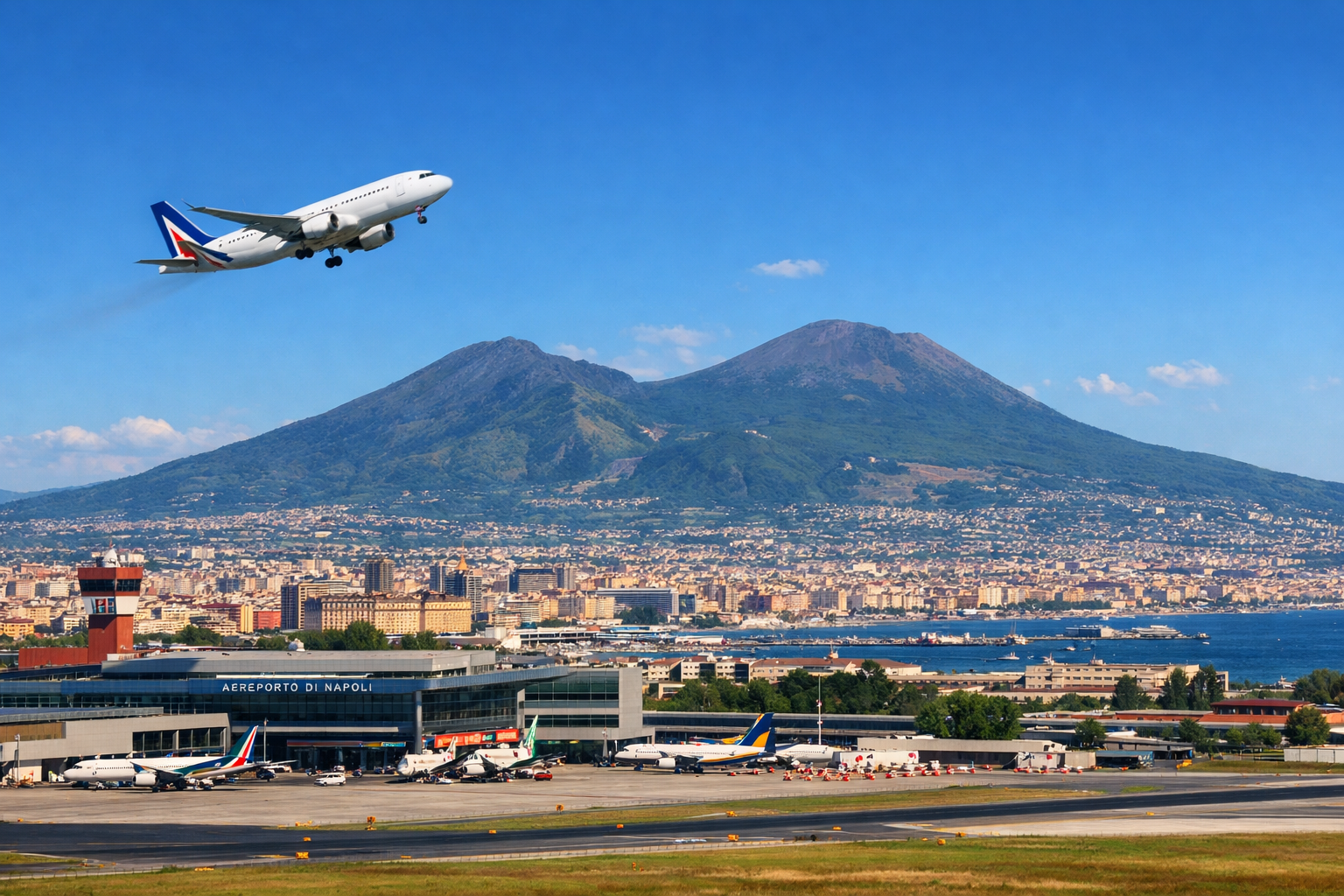
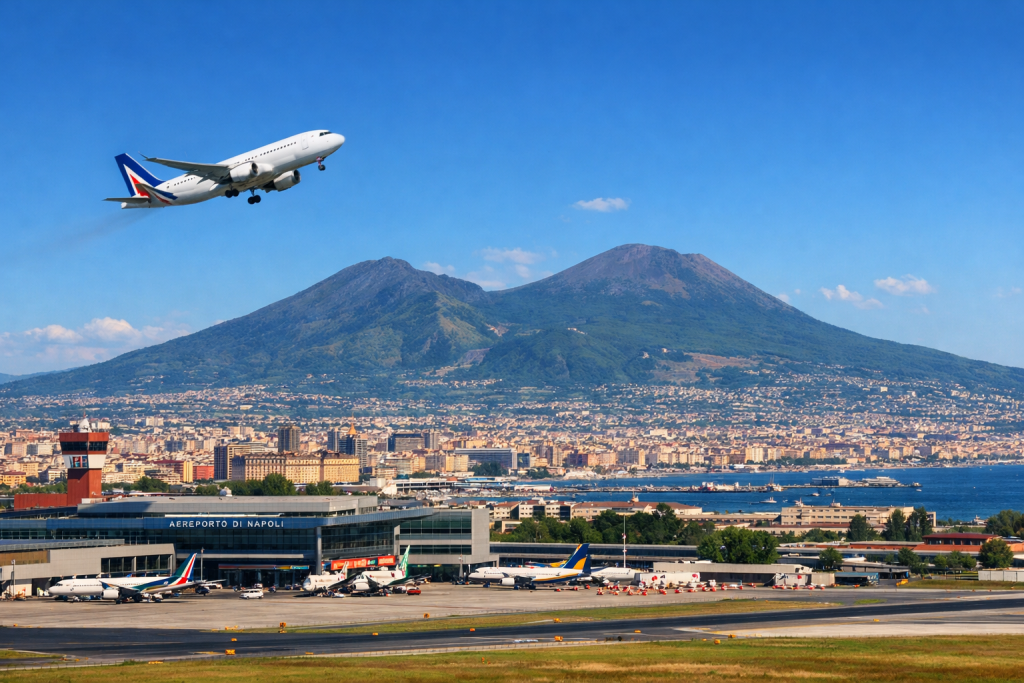
Naples Airport serves southern Italy and is a key entry point for travelers visiting Naples, the Amalfi Coast, Pompeii, Capri, and Ischia. Despite being relatively compact, it is one of Italy’s busiest airports.
The airport is close to the city center, and bus services connect it directly to Naples Central Station. Naples Airport has a lively, local feel—sometimes chaotic, but always full of character, much like the city itself.
Other Important Airports in Italy
Bologna Guglielmo Marconi Airport (BLQ)
Located in the heart of northern Italy, Bologna Airport is popular for travelers exploring Emilia-Romagna, Tuscany, and even Florence. It’s well connected, efficient, and a favorite for both low-cost and traditional airlines.
Florence Airport (FLR)
Florence Airport is small but convenient. It mainly serves European destinations and is perfect for travelers focused on Tuscany. Because of its size, flights can be limited, but the airport’s location close to Florence’s historic center is a major plus.
Pisa International Airport (PSA)
Also known as Galileo Galilei Airport, Pisa Airport is a major low-cost airline hub. It serves Tuscany and is often cheaper than Florence. Many travelers land here to visit Florence, Cinque Terre, or Lucca.
Turin Airport (TRN)
Turin Airport serves the Piedmont region and is ideal for travelers visiting northern Italy or the Alps. It’s modern, calm, and well connected by train and bus.
Palermo and Catania Airports (Sicily)
Sicily has several airports, with Palermo (PMO) and Catania (CTA) being the busiest. These airports connect Sicily to mainland Italy and international destinations. They are essential for exploring the island’s beaches, volcanoes, and historic cities.
Regional and Island Airports
Italy also has many smaller airports in places like Sardinia (Cagliari, Olbia, Alghero), Calabria, Puglia (Bari, Brindisi), and even tiny islands. These airports are especially active in summer when tourism peaks and charter flights increase.
Tips for Traveling Through Italian Airports
- Arrive early during peak seasons, especially summer and holidays
- Use trains whenever possible—Italy’s rail network is fast and reliable
- Watch for strikes, which occasionally affect flights and ground transport
- Enjoy the food—even airport cafés in Italy are usually excellent
Final Thoughts
Airports in Italy are more than just transit points—they are the first taste of Italian culture, style, and hospitality. From the grand terminals of Rome and Milan to the charming regional airports near beaches and vineyards, Italy’s airports are designed to welcome travelers from around the world. Knowing which airport suits your destination and travel style can save time, money, and stress, letting you focus on what really matters: enjoying la dolce vita.